Your cart is currently empty!

Navigating the intricate landscape of search engine optimization requires a nuanced understanding of both on-page and off-page tactics. These twin pillars support your website’s visibility, authority, and overall performance in search engine rankings. Imagine your website as a grand library; on-page SEO fine-tunes each book’s content and organization, while off-page SEO ensures the library itself is renowned and frequented by visitors. Mastering both aspects is essential for achieving digital prominence.
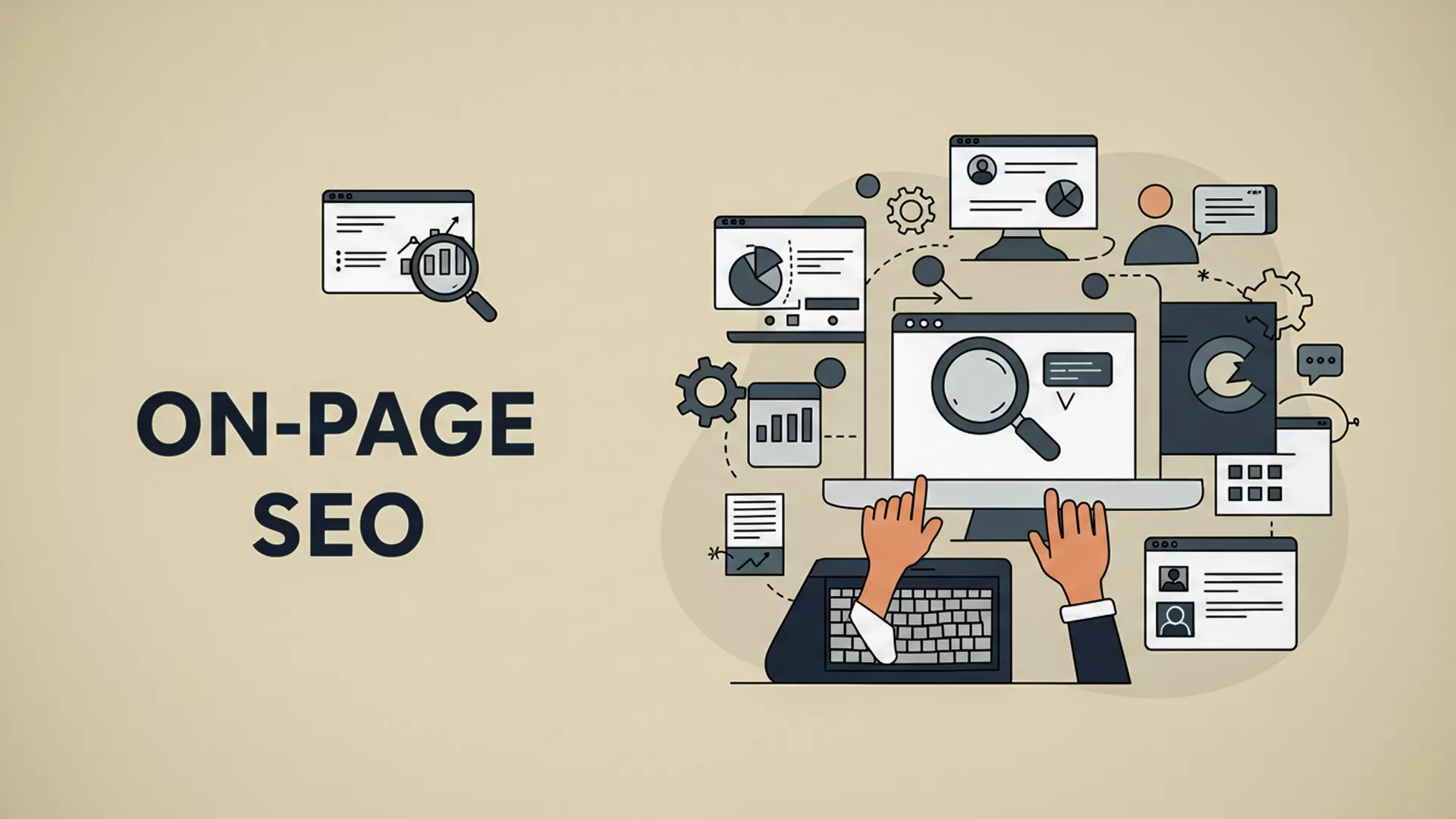
Understanding On-Page SEO
Content Optimization
At the heart of on-page SEO lies content optimization, the meticulous process of crafting content that resonates with both search engines and users. This involves integrating primary and secondary keywords seamlessly into your text, ensuring that search engines can accurately interpret the relevance of your content to specific queries. Beyond mere keyword placement, content optimization emphasizes creating valuable, informative, and engaging material that addresses the needs and interests of your target audience. For instance, a blog post about sustainable living should not only include keywords like “eco-friendly practices” but also provide actionable tips and insights that keep readers engaged and informed.
Content optimization extends to the structure and readability of your content. Utilizing headers, bullet points, and concise paragraphs enhances user experience, making your content more digestible and appealing. Incorporating multimedia elements such as images, videos, and infographics can further enrich the user experience, providing diverse ways for users to consume and interact with your content. In essence, content optimization is about striking a balance between technical precision and creative expression to produce content that performs well in search rankings while genuinely benefiting your audience.
HTML and Meta Elements
HTML and meta elements are the silent architects of on-page SEO, shaping how search engines interpret and display your content. Meta titles and descriptions, for example, serve as the first point of contact between your website and potential visitors. Crafting compelling and keyword-rich meta tags can significantly enhance click-through rates by providing clear and enticing summaries of your content. Additionally, proper use of header tags (H1, H2, H3, etc.) not only organizes your content for better readability but also signals to search engines the hierarchy and importance of information on your page.
Beyond meta tags, the technical structure of your HTML plays a crucial role in on-page SEO. Implementing schema markup can provide search engines with detailed information about your content, enhancing its visibility through rich snippets in search results. Optimizing image alt texts and ensuring that all multimedia elements are properly tagged and described also contribute to a more comprehensive SEO strategy. These HTML and meta elements work behind the scenes, ensuring that your content is not only accessible and understandable to search engines but also presented in the most effective manner to attract and engage users.
User Experience and Engagement
User experience (UX) is a cornerstone of on-page SEO, influencing how visitors interact with your website and, consequently, how search engines evaluate its quality. A well-designed website with intuitive navigation, fast loading times, and mobile responsiveness ensures that users can access and engage with your content effortlessly. High bounce rates and low dwell times can signal to search engines that your site may not be meeting user expectations, potentially harming your rankings. Therefore, investing in UX design is not merely a cosmetic endeavor but a strategic SEO move that fosters longer visits and deeper engagement.
Engagement metrics such as time on page, pages per session, and interactive elements like comment sections or share buttons also play a significant role in on-page SEO. Encouraging user interaction through compelling calls-to-action and interactive content can enhance these metrics, signaling to search engines that your site provides valuable and engaging experiences. Additionally, regularly updating your content to keep it fresh and relevant ensures that users have a reason to return, further boosting your site’s authority and standing in search results. In this way, user experience and engagement are intrinsically linked to the effectiveness of your on-page SEO efforts.
Mastering Off-Page SEO
Backlink Building
Backlink building stands as a formidable pillar in the realm of off-page SEO, acting as endorsements from other websites that vouch for your site’s credibility and authority. Each backlink is akin to a vote of confidence, signaling to search engines that your content is trustworthy and valuable. The quality of these backlinks is paramount; links from reputable, high-authority sites carry more weight than numerous links from lesser-known or spammy sources. Strategies for effective backlink building include creating shareable content, engaging in guest blogging, and fostering relationships with influencers and industry leaders who can naturally incorporate links to your site.
However, backlink building is not merely about quantity but the strategic acquisition of links that align with your niche and audience. Diversifying your backlink profile by obtaining links from various domains and content types—such as news articles, blogs, forums, and social media platforms—enhances your site’s overall authority and resilience against algorithm changes. Monitoring and maintaining your backlink profile is crucial to identify and disavow any harmful or low-quality links that could negatively impact your SEO efforts. In essence, backlink building is a dynamic and ongoing process that requires a blend of creativity, strategic thinking, and diligent maintenance to effectively bolster your site’s off-page SEO.
Social Signals and Brand Mentions
Social signals and brand mentions play an increasingly significant role in off-page SEO, acting as indicators of your brand’s popularity and relevance in the digital landscape. Social media platforms serve as powerful amplifiers for your content, enabling widespread dissemination and fostering engagement through likes, shares, comments, and mentions. These interactions not only drive traffic to your website but also signal to search engines that your content is valued and widely recognized, contributing to improved search rankings. Engaging actively on social media can thus enhance your online presence and support your overall SEO strategy.
Brand mentions, even those without direct links, also hold substantial weight in off-page SEO. Search engines interpret frequent and positive mentions of your brand across various platforms as a sign of authority and trustworthiness. Cultivating a strong brand presence through consistent messaging, quality content, and active engagement with your audience can lead to organic mentions that reinforce your site’s credibility. Additionally, monitoring brand mentions allows you to manage your online reputation, addressing any negative feedback and leveraging positive interactions to further enhance your SEO efforts. Together, social signals and brand mentions form a symbiotic relationship that enriches your off-page SEO, driving both visibility and authority.
Influencer Outreach and Partnerships
Influencer outreach and strategic partnerships are pivotal components of off-page SEO, leveraging the established audiences and credibility of influential figures and complementary brands to amplify your reach. Collaborating with influencers who resonate with your target demographic can result in authentic endorsements and high-quality backlinks, enhancing your site’s authority and visibility. These partnerships often extend beyond mere link exchanges, encompassing collaborative content creation, joint campaigns, and mutual promotions that benefit both parties involved. The key is to identify influencers and partners whose values and audiences align with your brand, ensuring that the collaboration feels natural and mutually beneficial.
Building long-term partnerships with industry leaders and reputable brands can yield sustained SEO benefits. These alliances can lead to ongoing opportunities for guest blogging, co-hosted webinars, and cross-promotional initiatives that continuously drive traffic and enhance your backlink profile. Additionally, partnerships can provide access to exclusive content, insights, and resources that further enrich your website’s offerings and authority. By fostering genuine relationships and delivering value to your partners and their audiences, influencer outreach and partnerships become powerful strategies for amplifying your off-page SEO efforts, driving both immediate and long-term growth.
Strategic Differences Between On-Page and Off-Page SEO
Control and Influence
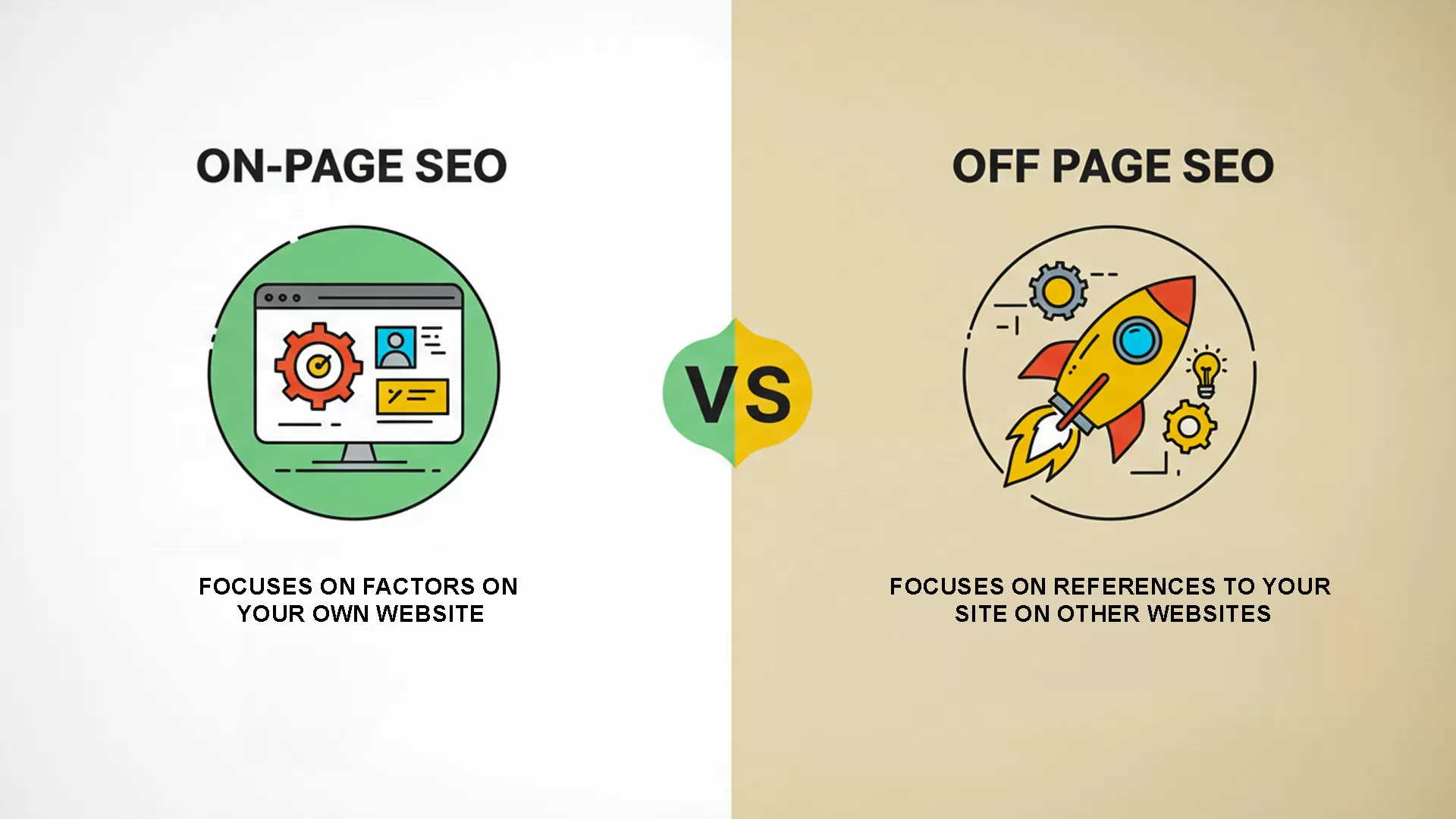
One of the fundamental distinctions between on-page and off-page SEO lies in the level of control and influence you possess over each. On-page SEO offers a high degree of control, as it involves optimizing elements within your own website. You can directly modify content, structure, meta tags, and other technical aspects to align with SEO best practices and user preferences. This autonomy allows for precise and immediate adjustments, enabling you to respond swiftly to changes in search engine algorithms or shifts in your target audience’s behavior.
In contrast, off-page SEO operates in a more external sphere where your influence is limited. While you can engage in strategies like backlink building, social media marketing, and influencer partnerships, the outcomes depend on the actions and cooperation of other entities. Securing high-quality backlinks requires persuading other website owners to link to your content, which can be unpredictable and time-consuming. Similarly, the impact of social signals and brand mentions is contingent upon broader audience engagement and sentiment. Therefore, while off-page SEO can significantly enhance your site’s authority and visibility, it requires a more strategic and relationship-driven approach, often involving factors beyond your immediate control.
Timeframes and Impact
The temporal dynamics of on-page and off-page SEO also differ markedly, influencing how quickly you can expect to see results. On-page SEO changes can lead to relatively swift improvements in your website’s performance, as search engines can quickly index and reflect adjustments in content, structure, and technical elements. For example, optimizing meta tags or improving page load speeds can result in noticeable ranking improvements within weeks. Additionally, consistent on-page efforts contribute to sustained growth, as each enhancement builds upon the last to create a robust and user-friendly website.
Off-page SEO, on the other hand, typically operates on a longer timeline, with results often materializing over months rather than weeks. Building a strong backlink profile, establishing brand authority, and fostering social engagement require persistent effort and time to cultivate meaningful relationships and earn trust within your industry. The impact of off-page SEO is cumulative, as each backlink, social share, or brand mention adds to your site’s overall authority and reputation. Consequently, while off-page SEO can drive significant long-term benefits, it necessitates patience and a sustained commitment to strategic outreach and engagement initiatives.
Measurement and Analytics
Measuring the effectiveness of on-page and off-page SEO strategies involves different metrics and analytical approaches, reflecting their distinct focuses. On-page SEO performance is primarily gauged through metrics that assess the quality and optimization of your website’s internal elements. Key indicators include organic traffic, bounce rates, average session duration, and keyword rankings. Tools like Google Analytics and Google Search Console provide valuable insights into how users interact with your content and how well your optimization efforts are translating into improved search visibility and user engagement.
Off-page SEO, conversely, is evaluated through metrics that reflect your website’s external authority and reputation. Important metrics include the quantity and quality of backlinks, domain authority, referral traffic, and social engagement metrics such as shares, likes, and comments. Tools like Ahrefs, Moz, and SEMrush offer comprehensive analyses of your backlink profile and social signals, helping you identify strengths and areas for improvement in your off-page strategies. Additionally, monitoring brand mentions and sentiment analysis can provide a deeper understanding of your online reputation and its influence on your SEO performance. By leveraging the appropriate metrics and tools, you can effectively measure and refine both on-page and off-page SEO efforts to achieve optimal results.
Integrated Strategies for Maximum SEO Impact
Balancing Content and Promotion
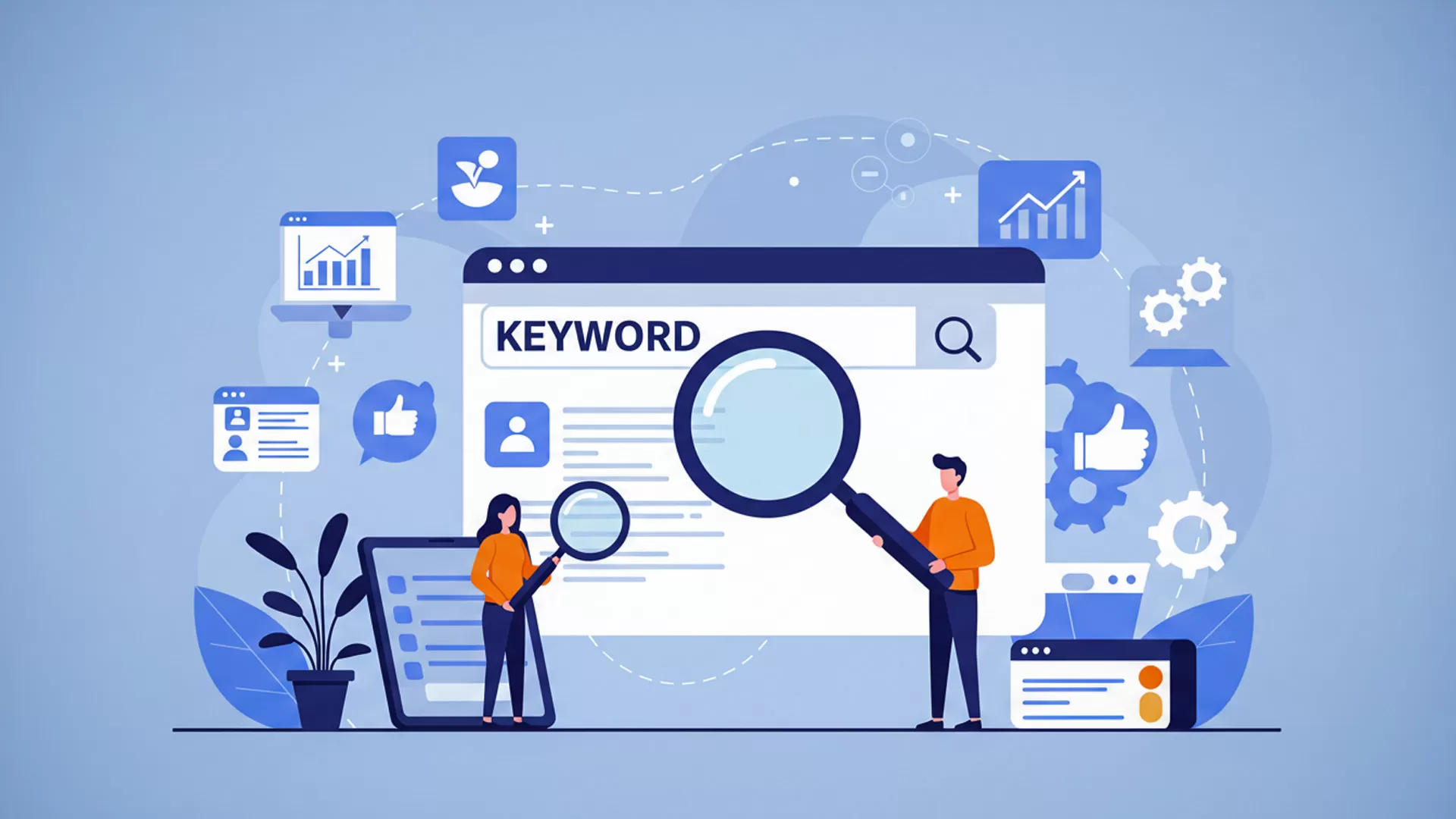
Achieving maximum SEO impact necessitates a harmonious balance between content creation and promotion, seamlessly integrating on-page and off-page strategies. High-quality, optimized content serves as the foundation upon which your SEO efforts are built, providing the value and relevance that attract both search engines and users. Simultaneously, effective promotion ensures that your content reaches a wider audience, garnering the backlinks and social signals that enhance your site’s authority and visibility. This symbiotic relationship between content and promotion creates a virtuous cycle, where compelling content fuels your promotion efforts, and successful promotion amplifies the reach and impact of your content.
To maintain this balance, it is essential to develop a comprehensive content strategy that aligns with your SEO goals and target audience’s interests. This involves conducting thorough keyword research to identify relevant topics, crafting engaging and informative content that addresses those topics, and implementing on-page SEO best practices to optimize each piece for search engines. Concurrently, your promotion strategy should encompass a mix of outreach, social media marketing, influencer collaborations, and other off-page tactics that drive traffic and build authority. By synchronizing your content creation with strategic promotion, you can ensure that each component reinforces the other, resulting in a cohesive and effective SEO strategy that drives sustained growth and visibility.
Aligning On-Page Elements with Off-Page Efforts
Integrating on-page elements with off-page efforts is crucial for creating a unified and powerful SEO strategy. On-page elements such as keyword optimization, content quality, and technical SEO lay the groundwork for attracting and retaining visitors, while off-page efforts like backlink building and social media engagement amplify your site’s reach and authority. Aligning these components involves ensuring that your on-page optimization supports and enhances your off-page strategies, creating a cohesive approach that maximizes your SEO potential.
For instance, targeting specific keywords on your pages should be complemented by off-page efforts to build backlinks from authoritative sites within the same niche. This alignment reinforces the relevance and authority of your content, signaling to search engines that your site is a trusted source of information on those topics. Additionally, promoting content that is well-optimized for SEO ensures that it is not only discoverable by search engines but also appealing to external websites and influencers who may link to or share it. By synchronizing your on-page and off-page efforts, you create a synergistic effect that enhances both your website’s internal optimization and its external reputation, driving more effective and sustainable SEO results.
Monitoring and Adjusting Tactics
The dynamic nature of SEO demands continuous monitoring and adjustment of both on-page and off-page tactics to maintain and improve your site’s performance. Search engine algorithms evolve, user behaviors shift, and competitive landscapes change, necessitating a proactive approach to SEO strategy management. Regularly analyzing your SEO metrics and performance indicators allows you to identify trends, uncover areas for improvement, and adapt your strategies accordingly to stay ahead of the curve.
Effective monitoring involves utilizing a suite of analytical tools to track key metrics related to both on-page and off-page SEO. For on-page SEO, this might include monitoring keyword rankings, organic traffic, and user engagement metrics to assess the effectiveness of your content and optimization efforts. For off-page SEO, tracking backlink quality, referral traffic, and social engagement provides insights into the strength and reach of your external strategies. Based on these insights, you can make informed decisions to tweak your content, refine your keyword targeting, adjust your outreach efforts, or explore new promotional avenues. By maintaining a vigilant and adaptive approach, you ensure that your SEO strategies remain effective and aligned with your evolving goals and the ever-changing digital landscape.

Common Pitfalls and Best Practices
Avoiding Black Hat Techniques
In the pursuit of SEO excellence, the temptation to employ black hat techniques can be alluring, but such shortcuts often lead to detrimental consequences. Black hat SEO involves unethical practices that violate search engine guidelines, such as keyword stuffing, cloaking, and purchasing low-quality backlinks. While these methods might yield short-term gains in search rankings, they pose significant risks, including penalties and deindexing from search engines. Imagine building a tower on shaky ground; the initial ascent may be swift, but the foundation is unstable, leading to inevitable collapse.
To safeguard your website’s long-term success, it is imperative to adhere to white hat SEO practices that prioritize quality, relevance, and user experience. Focus on creating valuable content, earning genuine backlinks through merit and relationship-building, and maintaining transparency in your optimization efforts. By committing to ethical SEO strategies, you not only enhance your site’s credibility and authority but also build a sustainable foundation for enduring search engine visibility. Steering clear of black hat techniques ensures that your SEO efforts contribute positively to your website’s reputation and performance, fostering trust with both users and search engines alike.
Ensuring Quality Over Quantity
A common pitfall in both on-page and off-page SEO is prioritizing quantity over quality, a mistake that can undermine your site’s authority and user engagement. In on-page SEO, this might manifest as churning out numerous low-quality posts in an attempt to dominate keyword rankings, rather than focusing on crafting well-researched, insightful, and engaging content that genuinely benefits your audience. Similarly, in off-page SEO, accumulating a vast number of backlinks from irrelevant or low-authority sites can dilute your site’s perceived credibility and potentially harm your search rankings.
Emphasizing quality over quantity ensures that every aspect of your SEO strategy adds meaningful value to your website and its audience. High-quality content attracts and retains visitors, encourages natural backlinking from reputable sources, and fosters positive user interactions that enhance engagement metrics. On the off-page front, obtaining backlinks from authoritative and relevant websites strengthens your site’s authority and relevance, signaling to search engines that your content is trustworthy and valuable. By prioritizing quality in both on-page and off-page efforts, you build a robust and reputable online presence that drives sustainable SEO success and fosters long-term growth.
Staying Updated with SEO Trends
The ever-evolving nature of SEO requires a proactive approach to staying informed about the latest trends, algorithm updates, and best practices. Search engines like Google continuously refine their algorithms to better understand and rank content, meaning that strategies effective today might become obsolete tomorrow. Failing to stay updated can result in missed opportunities and, worse, penalties that can severely impact your site’s visibility and traffic. Consider SEO as a living organism; to thrive, it must adapt and evolve in response to its environment.
To remain at the forefront of SEO, it is essential to engage in continuous learning and adaptation. This involves regularly following authoritative SEO blogs, participating in industry forums and webinars, and staying abreast of official search engine announcements and updates. Additionally, conducting periodic audits of your SEO strategies allows you to assess their effectiveness and make necessary adjustments in response to emerging trends and algorithm changes. By maintaining an agile and informed approach, you ensure that your SEO efforts remain relevant, effective, and aligned with the latest standards and practices, safeguarding your website’s performance and competitiveness in the dynamic digital landscape.
By comprehensively understanding and strategically implementing both on-page and off-page SEO techniques, you can create a robust and effective optimization strategy that drives sustained visibility, authority, and growth for your website. Balancing the meticulous fine-tuning of your internal elements with proactive external engagement ensures a holistic approach to SEO, positioning your site for long-term success in the competitive online arena.