
Your cart is currently empty!
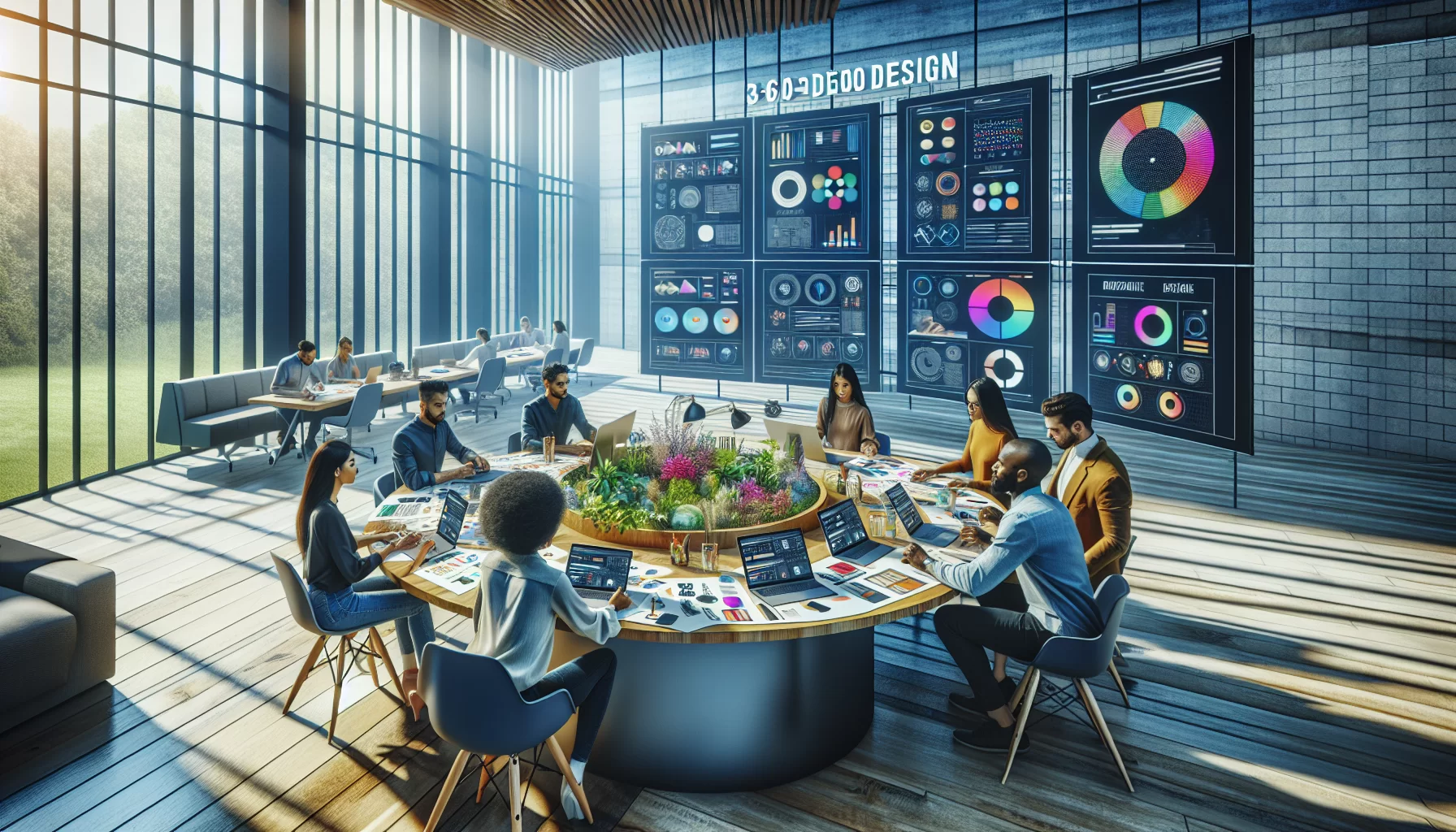
In today’s rapidly evolving creative landscape, the concept of “360 design” is emerging as a pivotal approach for businesses and creators looking to innovate and connect with their audiences. This all-encompassing method goes beyond traditional design practices, integrating various elements to create holistic solutions that address the needs of users from every angle. As we delve into the intricacies of 360 design, we will explore how it fosters design innovation and reshapes the way we think about problem-solving in various industries. By understanding this comprehensive approach, we can better appreciate its potential to drive creativity and enhance user experiences in our increasingly complex world. Join me as we uncover the future of creative solutions through the lens of 360 design.

In today’s rapidly evolving design landscape, understanding the principles of 360 design is crucial for creating effective and engaging experiences. 360 design refers to a holistic approach that considers every angle of a project, ensuring that all elements work together seamlessly. By focusing on the principles of 360 design, we can enhance user interactions and meet diverse needs across various design applications.
One of the fundamental principles of 360 design is user-centered thinking. This approach places the user at the heart of the design process. By understanding user needs and preferences, we can tailor solutions that resonate with our audience. For instance, in web design applications, incorporating user feedback can lead to a more intuitive interface that enhances navigation and overall satisfaction.
Another important principle is the integration of visual and functional elements. In 360 design, aesthetics and usability must go hand in hand. A visually appealing design that lacks functionality can frustrate users, while a highly functional design that is visually unappealing may fail to attract attention. Whether we are designing a mobile app or a marketing campaign, it is essential to strike a balance between how things look and how they work.
Collaboration is also a key principle in 360 design. Involving various stakeholders—including designers, developers, and marketers—enables us to gather diverse perspectives and insights. This collaborative approach not only fosters creativity but also ensures that all aspects of the project align with the overall vision. In the realm of design applications, such as product development or branding, teamwork can lead to more innovative and effective outcomes.
Moreover, adaptability is a vital principle of 360 design. The ability to respond to changes in trends, technology, and user expectations is essential for staying relevant. We must continually assess our designs and be willing to make adjustments as needed. This principle is particularly relevant in digital design applications, where user behavior can shift rapidly, necessitating ongoing updates and improvements.
Lastly, sustainability is increasingly becoming a core principle of 360 design. As we create designs for various applications, it is our responsibility to consider their environmental impact. Sustainable design practices not only benefit the planet but also resonate with consumers who are more conscious of their choices. By incorporating eco-friendly materials and processes, we can create designs that are not only innovative but also socially responsible.
In conclusion, the principles of 360 design serve as a foundation for creating effective and user-friendly experiences across a variety of design applications. By focusing on user-centered thinking, integrating visual and functional elements, fostering collaboration, embracing adaptability, and prioritizing sustainability, we can enhance our designs and build trust with our audience. As we move forward in this dynamic field, these principles will guide us in delivering impactful solutions that meet the needs of users and the demands of the market.
In today’s fast-paced and ever-evolving world, understanding the benefits of 360 design is essential for anyone involved in project management. This innovative approach allows us to see our projects from all angles, enabling better decision-making and enhanced collaboration throughout the project lifecycle. Whether you are a seasoned project manager or just starting out, embracing 360 design can transform how we conceptualize, develop, and execute our projects.
One significant benefit of 360 design is its ability to foster collaboration among team members. By integrating various perspectives and expertise, we can create a more comprehensive view of the project. This holistic approach encourages open communication, which is crucial in project management. When everyone is on the same page, potential issues can be identified early, leading to more effective solutions and minimizing delays.
Another advantage of implementing 360 design is the improved user experience it can provide. By considering the needs and preferences of end-users from the very beginning, we can design solutions that are not only functional but also engaging. This focus on user-centric design can increase satisfaction and adoption rates, ultimately leading to the success of our projects. When stakeholders feel that their needs are being met, trust in the project management process grows, making future collaborations easier and more productive.
Furthermore, the benefits of 360 design extend to risk management. By analyzing a project from multiple viewpoints, we can pinpoint potential risks and challenges much earlier in the process. This proactive approach allows us to develop contingency plans, ensuring smoother execution and reducing the likelihood of setbacks. In project management, the ability to anticipate and mitigate risks can be the difference between success and failure.
Additionally, 360 design enhances the creative process. By encouraging diverse ideas and input, we open doors to innovative solutions that may not have been considered otherwise. This creative synergy can lead to breakthroughs that elevate our projects and set them apart in a competitive landscape. In project management, fostering a culture of creativity and open-mindedness can inspire teams to push boundaries and explore new possibilities.
In conclusion, the benefits of 360 design in your projects are multifaceted and impactful. From enhancing collaboration and user experience to improving risk management and fostering creativity, this approach can significantly strengthen our project management efforts. By embracing 360 design, we not only create better outcomes but also build trust and confidence among stakeholders, paving the way for future success. As we continue to explore the potential of 360 design, we can look forward to more innovative and effective project management practices.
In this article, I will explore several compelling 360 design case studies that showcase the successful implementation of this innovative approach. The concept of 360 design emphasizes a holistic view, integrating various aspects of design to create cohesive and user-friendly environments. Through examining these case studies, we can gain valuable insights into how effective design strategies can lead to successful projects, ultimately enhancing user experience and satisfaction.
One notable case study involves a leading tech company that sought to revamp its office space. By implementing 360 design principles, the company was able to create an environment that fostered collaboration and creativity. The team analyzed the workflow of employees and identified key areas for improvement. By incorporating open spaces, collaborative zones, and quiet areas for focused work, the company not only improved employee morale but also increased productivity. This successful project serves as a prime example of how thoughtful design can transform a workplace.
Another impressive case study revolves around a local community center that aimed to better serve its diverse population. The design team applied 360 design methodologies, engaging community members throughout the planning process. By understanding the needs and preferences of the users, they created a space that was not only functional but also inviting. The result was a successful project that enhanced community engagement and provided a welcoming environment for all.
In the realm of retail, a prominent clothing brand successfully utilized 360 design principles to enhance its flagship store. By analyzing customer behavior and preferences, the design team developed a layout that encouraged exploration and interaction. The incorporation of immersive displays and intuitive navigation led to a more enjoyable shopping experience, resulting in increased foot traffic and sales. This case study illustrates how a well-executed design can significantly impact a brand’s success.
These 360 design case studies highlight the importance of a comprehensive approach to design. By considering the needs of the end-users and integrating various design elements, successful projects can be achieved across different sectors. As we continue to explore the potential of 360 design, it becomes evident that its principles can lead to innovative solutions and enhanced user experiences. I am excited to see how this approach will continue to shape the future of design.

In today’s rapidly evolving landscape, embracing 360 design is essential for organizations aiming for future success. This holistic approach to design not only enhances user experience but also fosters innovation and adaptability in a competitive market. As we look ahead, understanding future trends is crucial for staying relevant and meeting the diverse needs of consumers. By integrating various perspectives and disciplines within the design process, we can create solutions that are not only functional but also engaging and sustainable. Embracing 360 design sets the stage for organizations to thrive in an ever-changing environment, ensuring they are well-equipped to navigate challenges and seize opportunities. As we move forward, let us commit to this comprehensive design philosophy to unlock our full potential and drive meaningful progress in our endeavors.