
Your cart is currently empty!

Transforming Visions into Immersive Realities Through Advanced Digital Solutions
In the ever-evolving digital landscape, the ability to create engaging and immersive experiences is paramount. 360 Design stands at the forefront of this transformation, harnessing cutting-edge technologies such as Virtual Reality (VR), Augmented Reality (AR), and interactive virtual tours to revolutionize how businesses connect with their audiences. By integrating services like 3D rendering and innovative web design, 360 Design not only brings ideas to life but also redefines the boundaries of digital interaction across various industries including tourism, marketing, and education. This fusion of technology and creativity is paving the way for more captivating and effective digital solutions.
The Evolution of Digital Design: From Static to Interactive
The Shift Towards Immersive Technologies
The digital design landscape has undergone a seismic shift from static images and text to dynamic, interactive experiences. This transition mirrors the broader technological advancements that have enabled more sophisticated forms of user engagement. 360 Design leverages VR and AR to create environments where users can explore and interact in ways previously unimaginable. Imagine stepping into a virtual museum where each exhibit comes to life with interactive elements, offering a more engaging and informative experience than traditional displays.
Integrating 3D Rendering for Enhanced Realism
3D rendering plays a crucial role in bridging the gap between imagination and reality. By generating lifelike three-dimensional models, 360 Design provides a tangible sense of depth and realism that static images cannot achieve. This technology is particularly impactful in fields like architecture and real estate, where clients can virtually tour properties before they are built. The meticulous detail and accuracy of 3D rendering allow for precise visualization, facilitating better decision-making and client satisfaction.
Web Design Reimagined with Interactive Elements
Modern web design transcends aesthetics, focusing on functionality and user engagement. 360 Design incorporates interactive elements such as animated graphics, responsive layouts, and intuitive navigation to create websites that are not only visually appealing but also highly functional. By utilizing interactive design principles, businesses can provide a seamless user experience that keeps visitors engaged and encourages longer site interactions. This approach transforms websites from mere information hubs into dynamic platforms that drive user interaction and conversion.
Leveraging VR and AR to Create Immersive Experiences
Virtual Reality: A New Dimension of Engagement
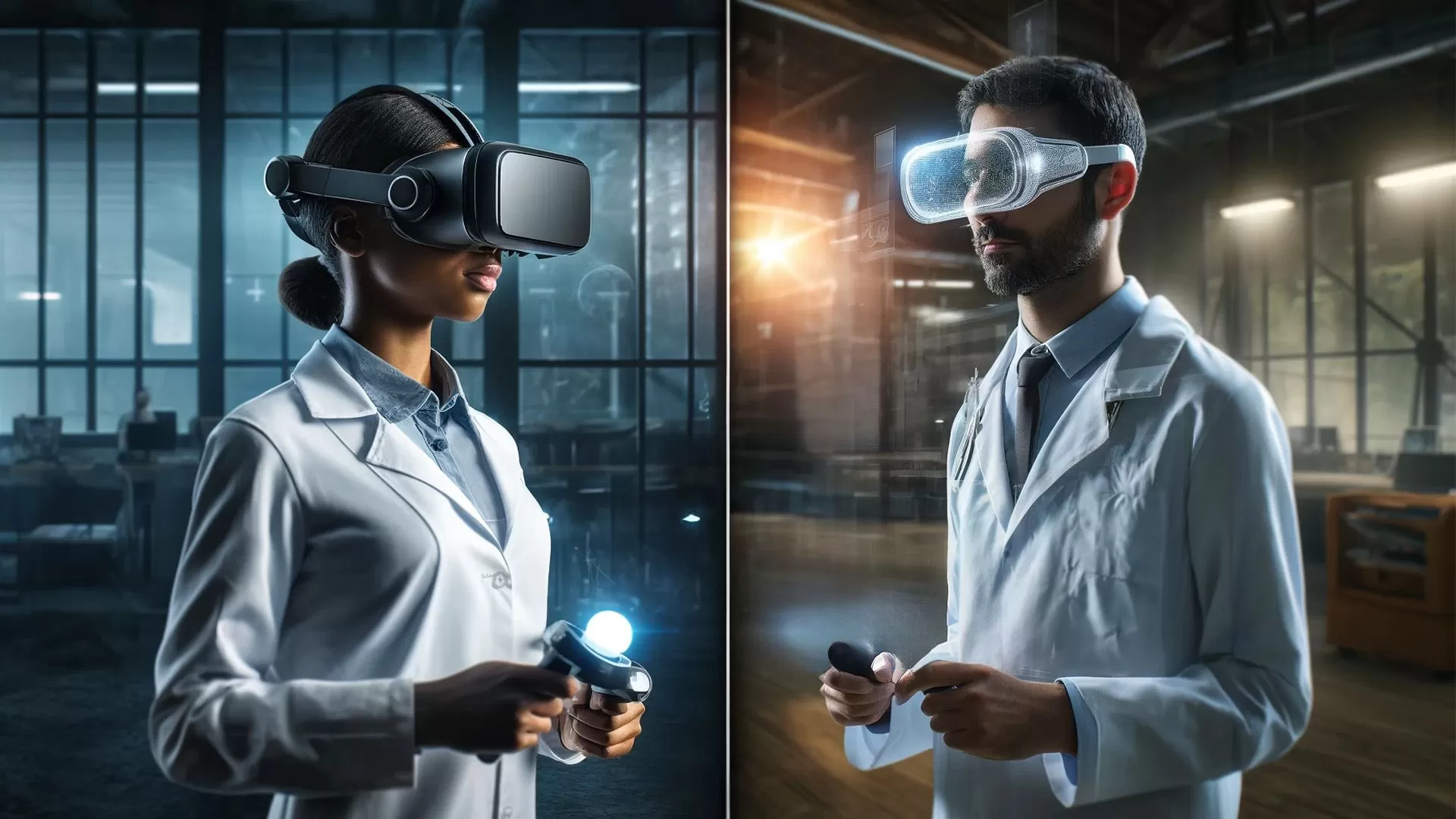
Virtual Reality offers an unparalleled level of immersion, allowing users to fully engage with digital environments. 360 Design utilizes VR to create experiences that transport users to entirely new worlds, whether it’s exploring a virtual showroom or participating in a simulated training environment. This level of engagement fosters a deeper connection between the user and the content, enhancing both the learning and entertainment value of digital experiences.
Augmented Reality: Enhancing the Real World
Augmented Reality overlays digital information onto the real world, enhancing the user’s perception and interaction with their environment. 360 Design harnesses AR to create interactive experiences that blend seamlessly with reality, such as virtual try-ons for retail or interactive educational tools in classrooms. By integrating digital elements into the physical world, AR provides practical and engaging solutions that enhance everyday activities and business operations.
Virtual Tours: Expanding Horizons in Various Industries
Virtual tours have become an essential tool for industries like tourism, real estate, and education. 360 Design specializes in creating comprehensive virtual tours that allow users to explore locations from the comfort of their own homes. These tours provide a realistic and interactive way to experience destinations, properties, or educational institutions, broadening access and attracting a wider audience. The ability to navigate through spaces virtually enhances marketing efforts and provides valuable insights into user preferences and behaviors.
The Impact of 360 Design Across Diverse Industries
Tourism: Revolutionizing Travel Experiences
In the tourism sector, 360 Design’s virtual tours and immersive technologies offer travelers a preview of destinations, helping them make informed decisions about their trips. By providing a realistic glimpse into potential vacation spots, hotels, and attractions, businesses can attract more visitors and enhance their marketing strategies. Virtual experiences also cater to those who are unable to travel, offering a taste of exploration and adventure from afar.
Marketing: Creating Engaging Campaigns
Marketing has evolved to prioritize engagement and interaction, and 360 Design excels in crafting campaigns that captivate audiences. Utilizing VR and AR, businesses can create memorable and interactive advertisements that stand out in a crowded marketplace. Whether it’s a virtual product demonstration or an augmented reality scavenger hunt, these innovative marketing strategies foster deeper connections with consumers and drive brand loyalty.
Education: Enhancing Learning Through Technology
Education is another sector benefiting immensely from 360 Design’s expertise. Interactive digital solutions such as virtual classrooms, augmented learning tools, and immersive simulations provide students with engaging and effective learning experiences. These technologies cater to diverse learning styles and promote active participation, making education more accessible and enjoyable. By integrating advanced digital tools, educators can enhance their teaching methods and improve student outcomes.

Trends in Digital Design: What the Future Holds
The Rise of Interactive Content
Interactive content is becoming increasingly popular as businesses seek to engage users in more meaningful ways. From interactive infographics to gamified experiences, this trend emphasizes user participation and personalization. 360 Design stays ahead of the curve by continuously integrating the latest interactive elements into their projects, ensuring that their clients remain at the forefront of digital innovation.
AI and Machine Learning in Design
Artificial Intelligence (AI) and Machine Learning are revolutionizing the digital design process by automating tasks, analyzing user data, and personalizing experiences. 360 Design leverages these technologies to enhance their design capabilities, creating more efficient workflows and tailored user experiences. By incorporating AI-driven insights, businesses can better understand their audience and deliver content that resonates on a deeper level.
Sustainability and Ethical Design
As awareness of environmental and social issues grows, sustainability and ethical design are becoming crucial considerations in digital projects. 360 Design prioritizes eco-friendly practices and ethical standards in their work, ensuring that their solutions not only meet client needs but also contribute positively to society and the environment. This commitment to responsible design enhances brand reputation and aligns with the values of increasingly conscientious consumers.
Benefits of Interactive Digital Content for Businesses
Increased User Engagement and Retention
Interactive digital content significantly boosts user engagement by encouraging active participation. Whether through interactive virtual tours, immersive VR experiences, or dynamic web interfaces, these elements capture and retain user attention more effectively than traditional content. Higher engagement leads to increased retention, as users are more likely to return to and interact with content that offers a compelling and enjoyable experience.
Enhanced Brand Perception and Loyalty
Businesses that adopt advanced digital design practices are often perceived as innovative and forward-thinking. By offering immersive and interactive experiences, companies can differentiate themselves from competitors and build a strong brand identity. This enhanced perception fosters brand loyalty, as consumers associate the brand with cutting-edge technology and superior user experiences.
Improved Conversion Rates and ROI
Interactive digital content can significantly impact conversion rates by providing users with a more engaging and persuasive experience. For example, a virtual product demo allows potential customers to explore features in detail, increasing the likelihood of a purchase. Additionally, the ability to track user interactions provides valuable data that can be used to optimize marketing strategies and improve return on investment (ROI).

Frequently Asked Questions
How does 360 Design integrate VR and AR into their projects?
360 Design seamlessly incorporates VR and AR technologies by first understanding the client’s objectives and then developing customized solutions that enhance user engagement. They utilize advanced tools and expertise to create immersive environments and interactive elements that align with the client’s vision and industry requirements.
What industries can benefit the most from 360 Design’s services?
While 360 Design caters to a wide range of industries, sectors such as tourism, marketing, real estate, education, and healthcare particularly benefit from their immersive digital solutions. These industries can leverage VR, AR, and interactive content to enhance user experiences, improve engagement, and drive business growth.
Can 360 Design help improve my existing website with interactive features?
Absolutely. 360 Design specializes in enhancing existing websites by integrating interactive elements such as animated graphics, responsive designs, and intuitive navigation. These enhancements not only improve the aesthetic appeal of the website but also boost functionality and user engagement, leading to a more effective online presence.
What is the process for creating a virtual tour with 360 Design?
Creating a virtual tour with 360 Design involves several steps: initial consultation to understand the client’s needs, site assessment and planning, high-quality 3D rendering and imaging, integration of interactive elements, and final testing to ensure a seamless user experience. Throughout the process, 360 Design collaborates closely with the client to ensure the virtual tour meets their expectations and objectives.
How does interactive content enhance marketing campaigns?
Interactive content enhances marketing campaigns by increasing user engagement and participation. It allows users to interact with the content in meaningful ways, such as exploring virtual products or participating in interactive storytelling. This heightened engagement leads to better brand recall, increased conversion rates, and stronger customer relationships.